Begin Your Path to Healing with Duma Foundation.

Dissociative Disorders

Understanding, Identification, Support, Coping, and Resources

What are Dissociative Disorders?

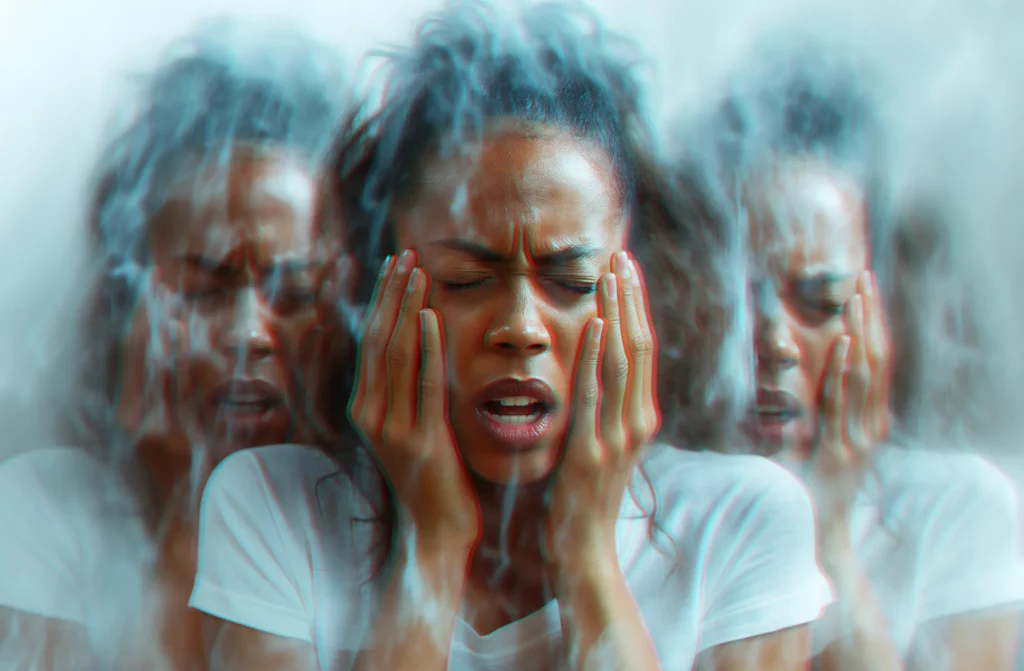
Dissociative Disorders are a group of mental health conditions characterized by disruptions or breakdowns of memory, awareness, identity, or perception. These disruptions often occur as a coping mechanism to manage trauma or overwhelming stress. Dissociative Disorders can be caused by various factors, including traumatic experiences such as abuse, neglect, or extreme violence, as well as other forms of psychological trauma.

How to Identify Symptoms of Dissociative Disorders:

Recognizing the symptoms of Dissociative Disorders is crucial for seeking appropriate help and support. Common symptoms may include memory gaps or amnesia, a sense of detachment from oneself or surroundings, identity confusion or identity alteration, depersonalization or derealization (feeling disconnected from one’s body or the world), and experiencing dissociative episodes triggered by stress or reminders of trauma. Offer gentle grounding techniques, safety, and prayer for integration and healing. Pray for God’s presence to bring wholeness and restoration of identity (Psalm 139:14).

How to Support Someone Showing Signs of Dissociative Disorders:

If you suspect that someone you know is struggling with Dissociative Disorders, it’s essential to approach them with empathy and understanding. Listen to their experiences without judgment, validate their feelings, and encourage them to seek professional help from a therapist specializing in trauma and dissociation. Be patient and supportive, and offer to accompany them to appointments or assist them in finding appropriate resources.

Coping Methods and Techniques for Dissociative Disorders:

While professional help is vital for managing Dissociative Disorders, there are coping methods and techniques that individuals can practice at home to support their healing and recovery. These may include grounding exercises to stay connected to the present moment, mindfulness meditation to increase awareness and reduce dissociative symptoms, journaling to process emotions and experiences, creative expression through art or music therapy, and building a support network of trusted friends, family members, or support groups. At Duma Foundation we encourage prayer for integration and healing of fragmented identity (Psalm 139:14), meditation on Scripture that speaks to God’s presence and restoration, and participation in faith-based practices that promote grounding and self-awareness.

Where to Get Free Professional Help in South Africa:

Accessing professional help for Dissociative Disorders is essential, and there are resources available in South Africa for those in need. Organizations such as the South African Depression and Anxiety Group (SADAG) and Lifeline South Africa offer free helplines, support groups, and referrals to mental health professionals trained in trauma and dissociation treatment. Additionally, public hospitals and community health centers may provide specialized therapy for dissociation at low or no cost.

Here are some free helplines and support groups for Dissociative Disorders in each province of South Africa, along with national resources:

Mental Health Resources

National Mental Health Resources

Organization Contact Information
South African Depression and Anxiety Group (SADAG) Helpline: 0800 456 789 (24-hour toll-free helpline)
Website: www.sadag.org
Lifeline South Africa Helpline: 0861 322 322 (24-hour toll-free helpline)
Website: www.lifelinesa.co.za

Provincial Mental Health Resources

Province Organization Location Contact Information
Eastern Cape Mental Health Information Centre Port Elizabeth Helpline: 041 373 0660
Free State Free State Psychiatric Helpline Bloemfontein Helpline: 051 444 5838
Gauteng Depression and Anxiety Group Support Group Johannesburg Contact: Tracy Feinstein
Email: tracy@anxiety.org.za
KwaZulu-Natal The South African Depression and Anxiety Group Durban Helpline: 0800 20 50 26
Limpopo Limpopo Mental Health Society Polokwane Helpline: 015 291 4606
Mpumalanga Mpumalanga Mental Health Society Nelspruit Helpline: 013 755 3140
Northern Cape Northern Cape Mental Health Society Kimberley Helpline: 053 832 9111
North West North West Mental Health Society Mafikeng Helpline: 018 381 0911
Western Cape Cape Mental Health Society Cape Town Helpline: 0800 21 22 23
These helplines and support groups provide valuable assistance, counseling, and referrals for individuals experiencing panic disorder and other anxiety-related concerns. Please note that contact details may change over time, so if you’re struggling to get help in your area, feel free to reach out to us at info@dumafoundation.org, and we’ll do our best to connect you with the support you need.
Conclusion:

Dissociative Disorders can be challenging to navigate, but with the right support and resources, individuals can find healing and reclaim their lives. By understanding the symptoms, offering support to those affected, and accessing professional help, individuals can take significant steps towards recovery and well-being.

At Duma Foundation, we are committed to promoting mental health awareness and providing support to those impacted by Dissociative Disorders and trauma. Through education, advocacy, and community outreach, we strive to create a more understanding and supportive environment for individuals seeking help and support.

If you or someone you know is struggling with Dissociative Disorders, please know that help is available. Reach out to us or other mental health organizations for support and guidance. You are not alone, and there is hope for a brighter future.
Share it :
Signup our newsletter to get update information, news, insight or promotions.